Share the details of your project like scope,
timeframes, or business challenges. Our team will thoroughly review the materials and respond to you promptly.
Thank You!
Your message has been received. Our team will get back to you shortly.
16 Jul 2026
Manual HR vs HR Software: Why Pakistani Businesses Need to Automate Payroll, Attendance and Employee Management
Manual HR vs HR Software: Why Pakistani Businesses Need to Automate Payroll, Attendance and Employee Management
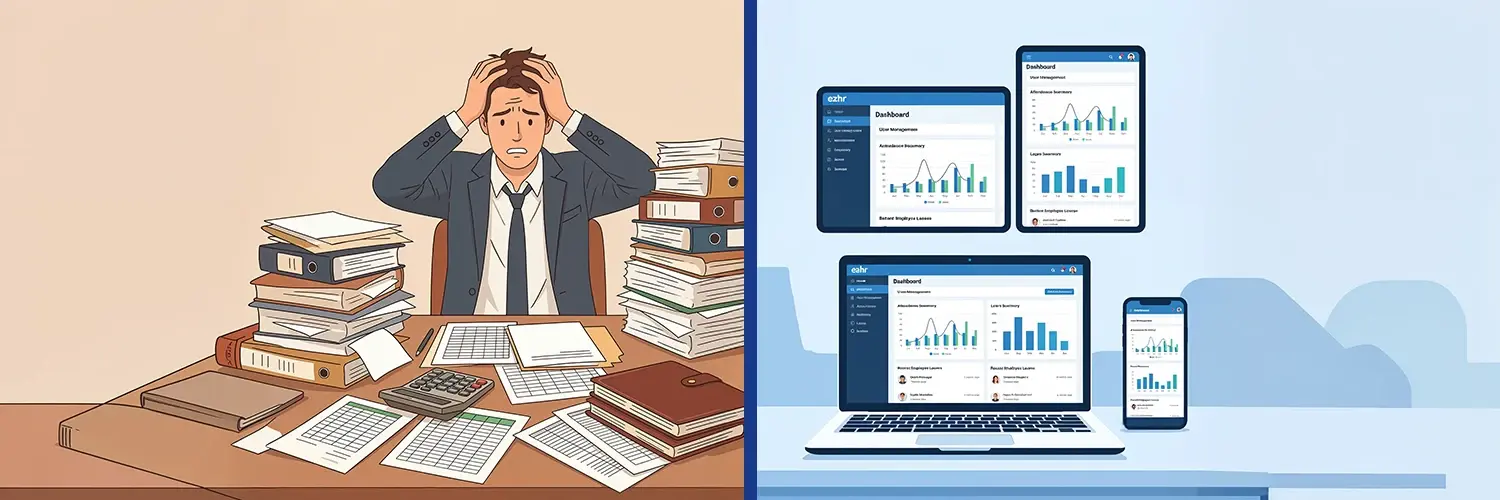
Somewhere in every growing Pakistani business, an HR manager is still calculating salaries in Excel, chasing attendance registers and manually checking leave balances. It works, until mistakes start costing time, money and employee trust. As businesses grow, manual HR becomes harder to manage. That is why HR software is quickly replacing spreadsheets with automated payroll, attendance and employee management.
This guide explains the difference, the benefits and why automation is becoming essential for Pakistani businesses.
HR software is a digital system that automates human resource operations including payroll processing, attendance tracking, leave management, performance evaluation and employee self-service. It replaces spreadsheets, paper registers and disconnected tools with a single centralized platform.
Modern HR management systems in Pakistan handle everything from biometric attendance integration to compliant tax calculations, from digital payslips to leave approval workflows. What once required an entire HR department to manage manually can now run automatically in the background.
The Real Cost of Manual HR
Manual HR may seem affordable, but it becomes costly as a business grows. Common warning signs include:
• Payroll takes more than a day to process.
• Attendance and salary disputes happen regularly.
• HR relies on multiple spreadsheets and paper records.
• Employees repeatedly request payslips and leave balances.
• Tax and compliance calculations require too much manual effort.
For a company with 50 employees, just 30 minutes of avoidable HR work per employee each month can add up to over 300 wasted hours annually. That is a full-time employee's workload spent on tasks that centralized HR software platforms can handle in minutes.
Manual HR vs HR Software: Side-by-Side Comparison
Here's how manual HR compares with modern HR software.
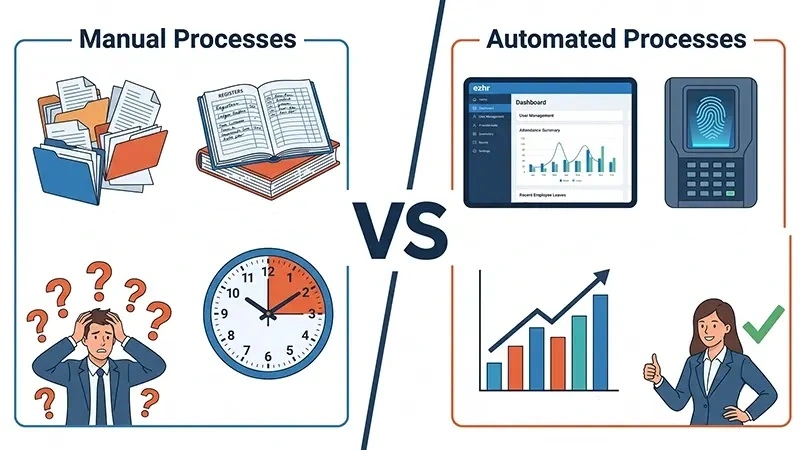
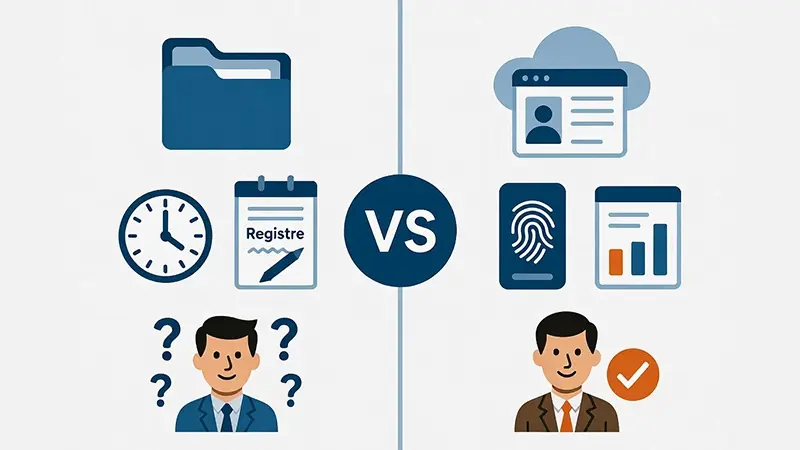
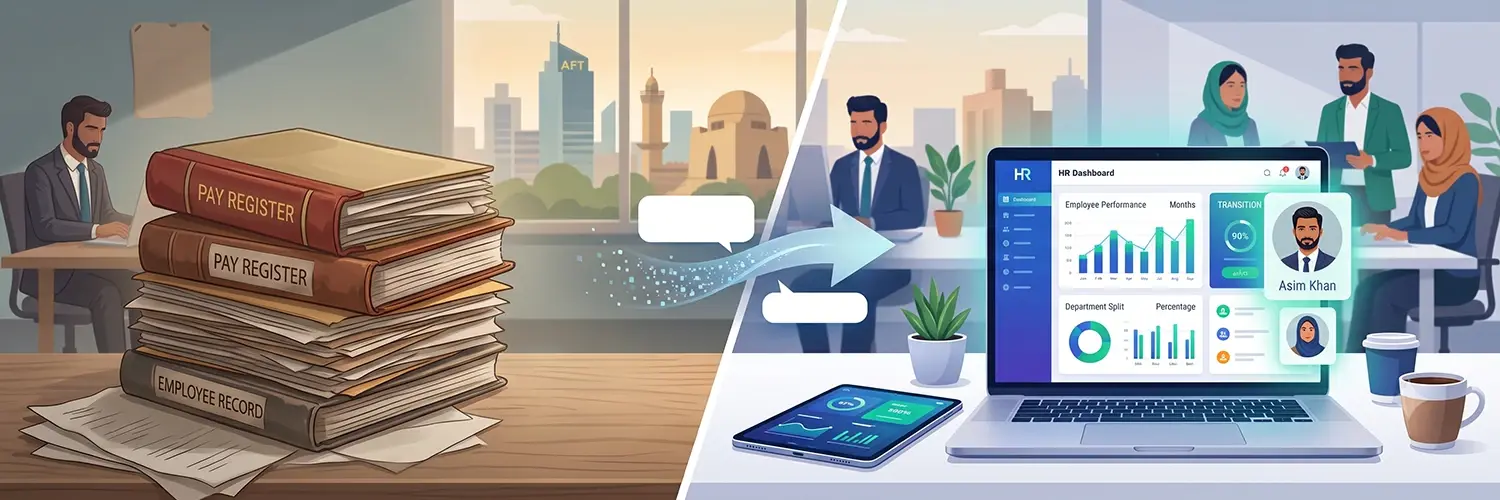
Manual HR vs HR Software — a clear comparison of traditional processes against automated HR management.
HR Function
Manual Process
HR Software
Payroll Processing
3 to 5 days of manual calculations
Processed in minutes with zero errors
Attendance Tracking
Registers, manual entries, no real-time visibility
Biometric-based with live dashboards
Leave Management
Paper forms, delayed approvals
Digital workflows, instant approvals
Tax Compliance
Manual updates, prone to errors
Automated tax rules and deductions
Employee Records
Files, folders, scattered documents
Centralized digital database
Reporting
Hours of Excel work
Real-time dashboards and analytics
Employee Self-Service
Every request goes through HR
Employees access payslips and apply for leave directly
The biggest hidden benefit of automation is not just time savings. It is the reduction in interpersonal friction between HR, management and employees when everything is transparent and traceable.
Why Payroll Automation Is Non-Negotiable in 2026
Payroll is often where manual HR creates the biggest problems. A single salary or tax error can affect employee trust and increase compliance risks. Modern payroll software automates salary calculations, deductions, overtime and taxes using predefined rules, making payroll faster and more accurate.
Modern payroll systems handle:
• Salary, allowances, bonuses and overtime calculations
Biometric attendance and automated attendance tracking eliminate manual errors while giving managers real-time workforce visibility.
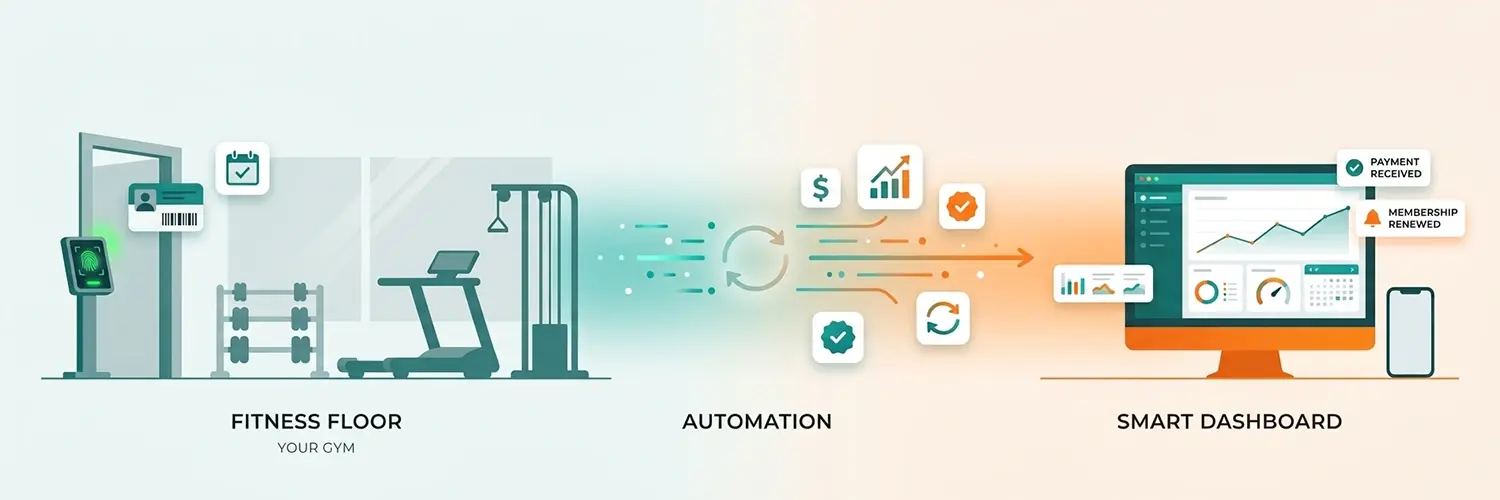
HR software replacing manual attendance with biometric tracking, live dashboards and automated rules.
Real-Time Biometric Integration
Attendance data syncs directly with payroll, reducing manual entry and calculation errors.
Live Attendance Dashboards
Managers can instantly see who is present, absent or on leave.
Automated Rule Enforcement
Late arrivals, overtime, half-days and shift rules are applied consistently according to company policy.
Employee Management Beyond Payroll and Attendance
HR software also keeps employee records, contracts, appraisals, promotions and company documents organized in one secure employee database.
Employee onboarding becomes a structured digital workflow with document collection and role-based access, while performance reviews shift from annual paperwork to continuous, data-driven evaluations. Employee self-service portals also let staff view payslips, apply for leave, update personal details and access company documents without contacting HR, reducing administrative workload and ensuring policies are applied consistently.
Compliance and Tax Handling for Pakistani Businesses
Manual HR increases compliance risks because tax and labour regulations frequently change. A modern HR management system can support:
• Local tax calculations and deductions
• Employer and employee contributions
• Overtime and allowance rules
• Audit-ready payroll records
• Secure historical payroll data
This helps businesses stay prepared for tax reviews, audits and employee disputes.
When Should a Pakistani Business Switch to HR Software?
The right time to move to HR software is earlier than most businesses think. Waiting until problems become expensive means dealing with legacy data messes on top of adoption challenges.
Business Size
Recommended Action
10 or fewer employees
Basic payroll software or cloud-based HR system
10 to 50 employees
Full HR software with payroll, attendance and self-service
50 to 200 employees
HR software with advanced reporting and performance modules
200+ employees
Enterprise-grade HRMS with multi-department support
Businesses in manufacturing, healthcare, education, retail and logistics benefit fastest because these sectors have complex attendance patterns, shift-based operations and higher compliance requirements.
Common Mistakes When Choosing HR Software
Not every HR software choice ends well. The most common mistakes Pakistani businesses make include:
• Choosing software without Pakistani payroll and tax support
• Prioritizing price over long-term scalability
• Ignoring employee training and implementation
• Selecting software that cannot integrate with biometric or accounting systems
• Choosing a system that cannot grow with the workforce
How Digital Hyperlinks Supports Businesses with EZ HR
At Digital Hyperlinks, we built EZ HR specifically to address the operational challenges Pakistani businesses face with payroll, attendance and workforce management. Unlike generic international platforms, EZ HR is designed from the ground up around Pakistani business requirements.
Here is what EZ HR handles for growing businesses:
• Payroll automation with local calculations
• Biometric attendance and leave management
• Employee self-service portal
• KPI tracking and role-based access
• Audit-ready reports and workforce analytics
Conclusion
Manual HR may work for small teams, but it quickly becomes inefficient as businesses grow. Automating payroll, attendance and employee management saves time, reduces errors and improves compliance. If your business is still relying on spreadsheets, now is the right time to adopt an HR management system built for Pakistani businesses.
Digital Hyperlinks' EZ HR is built to help Pakistani businesses automate HR processes without the complexity of generic international software.
Frequently Asked Questions
1. What is HR software and how does it work?
HR software automates payroll, attendance, leave management and employee records through one centralized platform.
2. Why should Pakistani businesses move from manual HR to HR software?
HR software eliminates payroll errors, ensures local tax compliance, saves hundreds of HR hours per year and provides real-time visibility into attendance and workforce data.
3. Is HR software affordable for small businesses in Pakistan?
Yes, most modern HR software options offer scalable pricing based on employee count, making automation affordable even for businesses with 10 to 50 employees.
4. Does HR software handle Pakistani tax compliance automatically?
Yes, modern HR software calculates local tax, deductions and allowances automatically based on Pakistani rules, ensuring accurate and audit-ready payroll processing.
5. What is the difference between HR software and payroll software?
Payroll software focuses only on salary processing, while HR software covers payroll plus attendance, leave, performance management and employee records in one integrated platform.
6. How long does it take to implement HR software?
Basic implementation typically takes two to four weeks, while larger businesses with complex requirements may need one to three months for full rollout, training and data migration.
7. Can HR software integrate with biometric attendance devices?
Yes, most modern HR software integrates with biometric fingerprint devices, automatically syncing attendance data with payroll and generating real-time reports.
Discover how our custom web software, digital platforms, and IT business solutions help organizations
streamline operations and scale faster. Explore our software development case studies showcasing real
results and innovation.